How a March Madness Pool Works: Brackets, Scoring and House Rules
Entered 3 min read

Someone in the group chat suggests a bracket pool for the college basketball tournament, and within an hour there are questions nobody can answer. Do first-round picks count the same as the final? What happens if two people finish level? Can someone change their picks after the first games? A March Madness pool is easy to run once those points are settled in advance, and messy when they are left until the second weekend.
The basic format
The men's and women's tournaments each start with a field of 64 teams in the main draw, split into four regions and played as single-elimination games. Before the first main-round tip-off, every player in the pool fills in a bracket, predicting the winner of every game through to the champion. Picks are locked once the tournament starts. As results come in, each correct pick earns points, and the player with the most points at the end wins the pool.
Most groups use a printed bracket, a shared spreadsheet or a free bracket app that scores entries automatically. The tool matters less than having one agreed place where all brackets are stored before the deadline.
Scoring systems
The scoring rule shapes the whole pool, because it decides whether early rounds or late rounds carry the weight. Three common systems:
| System | How it works | Effect |
|---|---|---|
| Doubling by round | 1, 2, 4, 8, 16 and 32 points per correct pick from the first round to the final | Each round is worth the same in total; picking the champion matters a lot |
| Flat points | One point for every correct pick | Early rounds dominate because they have the most games |
| Seed bonus | Round points plus the winning team's seed number | Rewards correct upset picks and keeps lower-ranked teams interesting |
Doubling by round is the most familiar choice and works well for mixed groups. A seed bonus adds spice for players who follow the sport closely, but it should be explained clearly before anyone fills in a bracket.
Tie-breakers
With dozens of entries, ties are common. The usual tie-breaker is a guess at the combined points in the championship game, entered with the bracket; the closest guess wins. A second tie-breaker, such as the number of correct picks in the final four, covers the rare case where two guesses are equally close. Overtime in the final counts toward that total, which is worth writing down, since whether extra time counts is handled differently from sport to sport.
House rules worth agreeing in advance
- Deadline: the exact time brackets lock, usually the first tip-off of the main draw.
- One or several entries: whether a person may submit more than one bracket.
- Late joiners: normally not allowed once games have started.
- Where results are posted: one standings sheet, updated by one person.
- Prizes: keep them small and social, such as bragging rights, a trophy that moves desks each year, or the last-place finisher bringing snacks to the next gathering.
Money is the point where a friendly pool can stop being simple. Rules on paid-entry pools vary by country, state and workplace, and many employers do not allow them on company premises or systems. A free pool with a token prize avoids those questions; anyone who wants a cash pot should check the local rules first and keep amounts low enough that losing them changes nothing for anyone.
Making it fun for people who never watch basketball
Pools work best when non-fans can play without feeling lost. A short note on how seeds work (number one is the strongest team in a region, sixteen the weakest) helps newcomers. Some groups run a side contest for the funniest bracket logic, or allow picks by mascot, school colours or coin toss. Those brackets regularly beat carefully researched ones in the first weekend, which is half the appeal.
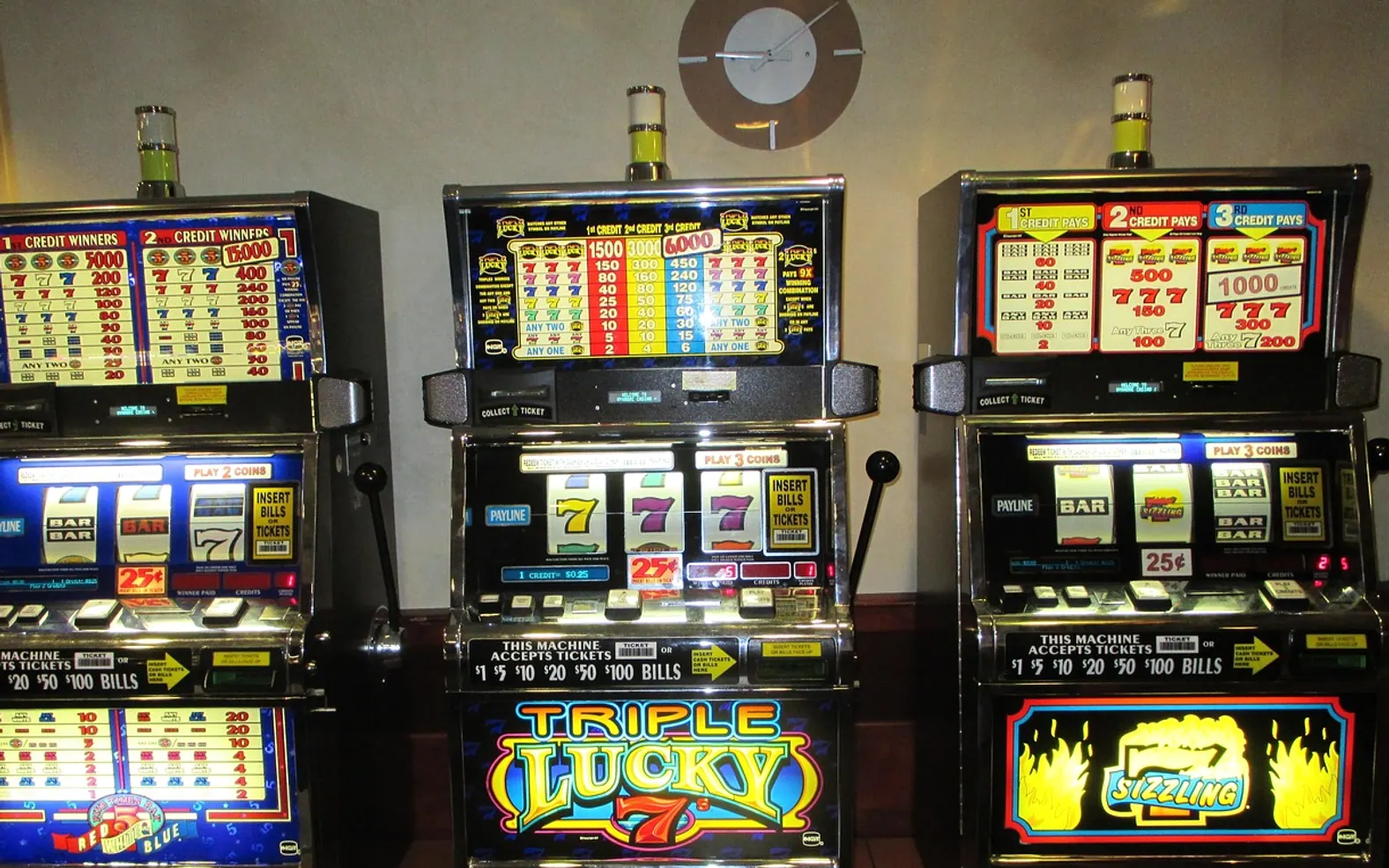
The same thinking applies to other group games built around a sports event. Football squares suit a single big game where nobody needs to know the teams, and a casino night at home with play-money chips gives a group a full evening in the off-season. Groups that like a leaderboard across a few sessions sometimes borrow ideas from slot tournaments and their group format, such as a fixed number of rounds and a visible ranking.
Across the sections
Editor’s picks


Tell us what you think.
Corrections are always welcome.
Browse the subjects
Earlier entryDoes Extra Time Count in Betting? The 90-Minute Rule Explained
 Gangnam in Style: Department Stores, Fine Dining and Hotel Bars · 5 min
 What to Wear to a Casino: Dress Codes in Plain Terms · 4 min
 Poker Chip Values: Setting Up Chips for a Home Game · 4 min