What Is Hit Frequency in Slots?
Entered 4 min read
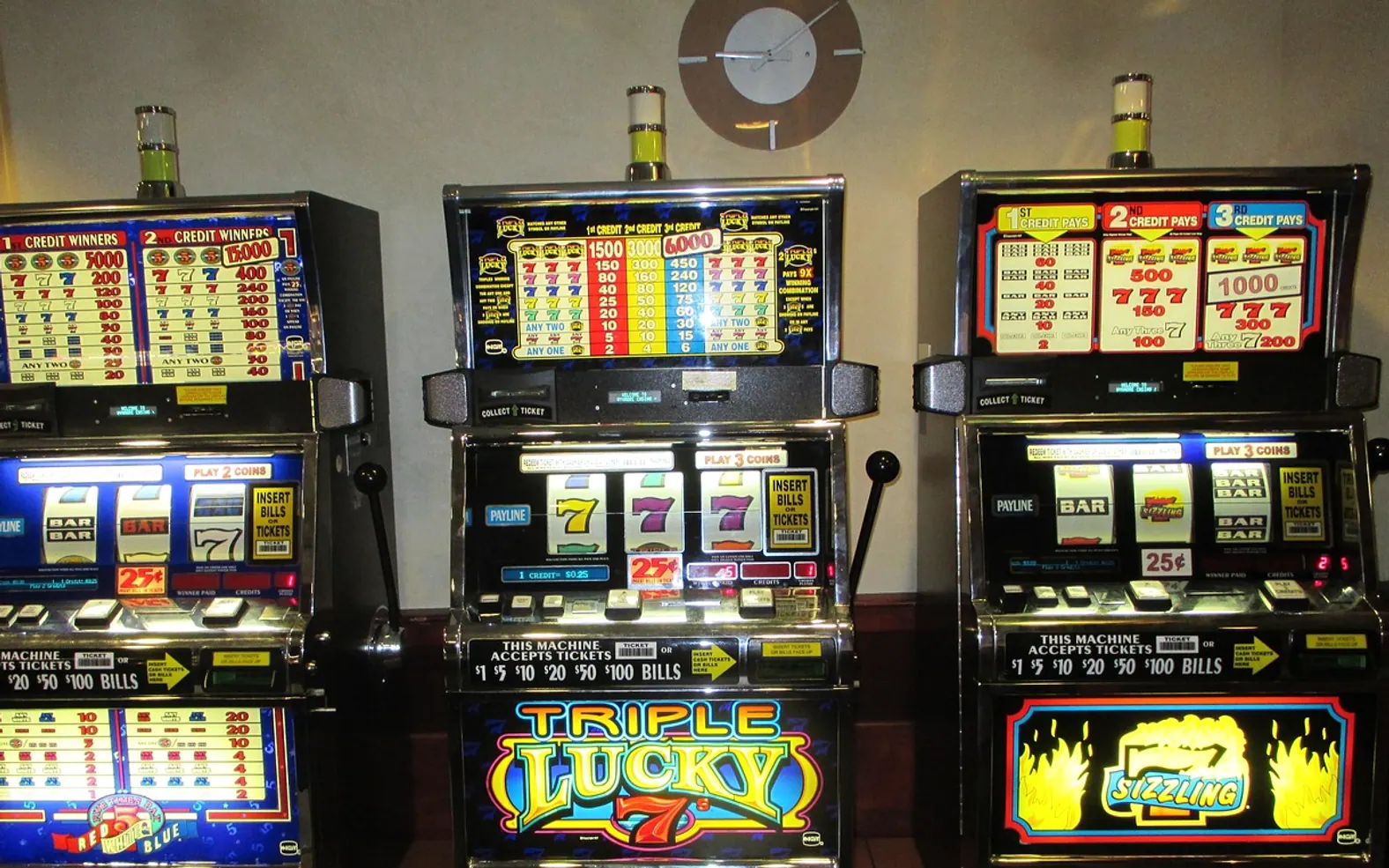
Two slots can feel completely different even when they look alike. One keeps flashing small wins every few spins; the other goes quiet for long stretches and then lands something larger. A big part of that difference comes down to a measure called hit frequency. It is not advertised as often as RTP, but it shapes the mood of a session more directly than almost anything else in a game's design.
A plain definition
Hit frequency is the proportion of spins that return any win at all. If a game is designed so that roughly one spin in four pays something, its hit frequency would be described as about one in four, or a quarter of all spins. The figure covers every kind of win, from a tiny line prize to a full bonus round.
Developers calculate it from the game's maths model, the same model that sets the symbols on each reel and the size of every prize. Some studios publish it in the help screen; many do not. When it is shown, it describes the long run, just like the return-to-player figure.
What a "hit" really includes
Here is the catch that surprises many players: a hit is any win, including wins smaller than the stake. If you spin at one credit and get half a credit back, that counts as a hit, even though your balance went down. Modern multi-line and ways-to-win games produce a lot of these partial returns. They come with sound effects and animations, which makes the screen feel busy and generous while the balance quietly shrinks.
Keeping that in mind is one of the most useful habits a slot player can build. A game that "hits all the time" may simply be returning fragments of each stake.
Hit frequency, RTP and volatility side by side
These three terms describe different things, and mixing them up leads to wrong conclusions about a game.
| Measure | The question it answers | What it does not tell you |
|---|---|---|
| Hit frequency | How often does a spin pay anything? | How big those wins are |
| Return to player | Over a huge number of spins, how much of the total staked comes back? | What happens in one session |
| Volatility | How unevenly are the wins spread out? | The exact size or timing of any win |
A game with a high hit frequency often pays many small amounts, which tends to go with lower volatility. A game with a low hit frequency usually needs bigger prizes to reach the same return, which pushes it towards higher volatility. That link is a tendency rather than a rule, because designers can tune each part separately. Our guide on RTP and why it matters covers the long-run side in more depth, and the comparison of payout structures across casino games shows how slots differ from table games here.
How it feels at the screen
High hit frequency
- Frequent small wins keep the session lively.
- Many of those wins are smaller than the stake.
- Large prizes are usually modest in size.
Low hit frequency
- Long runs of empty spins are normal.
- Wins, when they come, tend to be larger.
- Balances can swing sharply in both directions.
Neither style is better or fairer. They suit different moods. Someone who wants a relaxed half-hour may prefer a busy, steady game; someone who enjoys suspense may prefer the quieter kind. What matters is knowing which is which before you start, so that a long dry spell does not come as a shock that tempts you to raise the stake.
How to get a sense of it without a published figure
- Read the help screen. Some games list hit frequency directly; others describe their volatility, which gives a clue.
- Look at the paytable. Many low-paying symbols and lots of lines often point to frequent small wins.
- Try the demo mode. Watching a game for a while without staking money shows its rhythm, even though a short sample proves nothing about the maths.
- Count wins against stake. If you do play, notice how many wins are actually bigger than what you bet.
The limits of the number
Hit frequency does not predict the next spin. Every outcome is drawn by a random number generator, so a string of misses does not make a hit more likely, and a run of wins does not mean the game is "warm". Like RTP, it only becomes visible over a volume of play far larger than any single session.
Use it as a way to understand a game's character, not as a tool for winning. Play only if you are 18 or older and slots are allowed where you live, and decide on your budget and your stopping time before the first spin.
Across the sections
Editor’s picks


Tell us what you think.
Corrections are always welcome.
Browse the subjects
Earlier entryMultiplier Slots: How Win Multipliers Work Later entryChasing Losses in Gambling: Why It Backfires
 The Gamble Feature in Slots: Double or Nothing After a Win · 4 min
  Multiplier Slots: How Win Multipliers Work · 4 min