How to Host a Casino Night at Home
Entered 4 min read
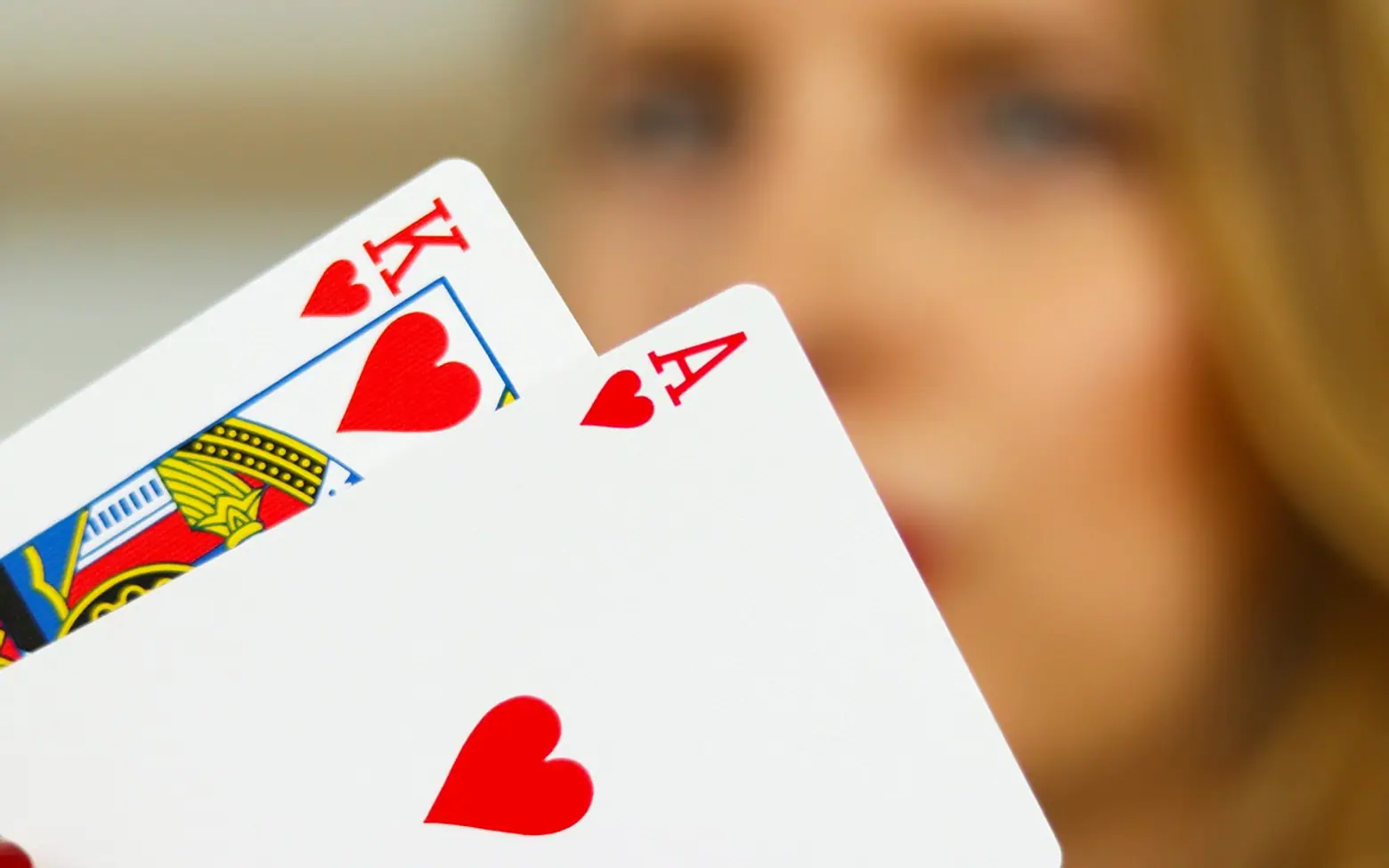
A good casino night at home needs three things: play-money chips that nobody pays for, two or three games your guests can learn in minutes, and a host who keeps the evening moving. Everything else, from green tablecloths to themed snacks, is decoration. Keep real money out of the games and the party stays relaxed, inclusive and simple to plan.
Start with the format
Before buying anything, decide what kind of evening it is.
- A drop-in party. Guests wander between tables, chat and play a few hands. Easiest for mixed groups and people new to casino games.
- A chip tournament. Everyone starts with the same stack, and whoever holds the most chips at a set time wins a small token prize. Adds a gentle goal to the night, much like the group format described in our piece on slot tournaments.
- A themed dinner with games. A meal first, tables afterwards. Works well for six to ten people.
Pick games that teach themselves
| Game | What you need | Learning time | Good for |
|---|---|---|---|
| Blackjack | Several decks, a dealer, a flat table | A few minutes | Beginners and mixed groups |
| Roulette | A toy or tabletop wheel and a betting layout | Almost none | Large groups and short rounds |
| Texas hold'em | Cards, chips, a dealer button | Longer | Players who already know poker |
| Dice games | A few dice and a printed layout | Varies | Lively corners of the room |
Two tables are plenty for most homes. A third only makes sense if there are enough guests to keep each one busy. Print a one-page rules card for every table so nobody has to ask the dealer the same question twice. Our comparison of how different casino games pay out is a handy primer for the host.
Chips, dealers and the bank
Hand every guest the same starting stack when they arrive. Our guide to poker chip values for a home game shows how to split colours and amounts so stacks are easy to count.
- Dealers. Ask confident friends to take turns in half-hour shifts so nobody spends the whole evening working.
- The bank. One person looks after spare chips. If guests run out, they can get a fresh play-money stack and rejoin; nobody should sit out the rest of the evening.
- Re-buys. Keep them free. Selling extra chips for cash changes the nature of the evening entirely.
Keep money out of the games
This is the one rule that matters. Once guests pay for chips or play for cash prizes, a party game can become gambling under local law, and some guests will feel pressure to spend. Prizes, if you have them, should be small, bought by the host and awarded for fun categories as much as for chip counts: best dressed, best dealer, most dramatic loss.
Charity casino nights are a different case. Fundraisers that sell chips or tickets often need a permit or must follow specific gaming rules, so organisers should check with their local authority well before the event.
Setting the room
- Tables. A dining table and a sturdy folding table cover two games. A green felt cloth or even a plain dark sheet makes them look the part.
- Lighting. Bright light over the tables, softer light elsewhere. Guests need to read cards without squinting.
- Music. A low playlist of lounge or swing keeps the mood without drowning out conversation.
- Decorations. Playing-card garlands, dice on the snack table and a printed sign with the house rules are enough. Cheap and quick to tidy away.
- A quiet corner. Not everyone wants to play all night. A sofa away from the tables gives people somewhere to talk.
Food and drink that suit card tables
Choose finger food that does not leave greasy marks on cards: skewers, small sandwiches, crackers with toppings, popcorn in individual cups. Keep plates and drinks on a side table rather than the playing surface. Offer good alcohol-free drinks alongside anything else, and make sure the dealers have water.
A simple timeline
- First half hour. Arrivals, drinks, chips handed out, quick rules talk at each table.
- Main session. Two to three hours of play with dealer swaps every thirty minutes.
- Final round. One last hand or spin, a count-up of chips if you are running a tournament, then the silly prizes.
- Wind-down. Food, coffee and the stories everyone will tell about the evening.
Dress code and invitations
A theme on the invitation, such as cocktail attire or a glamorous evening, gives guests something to play with. Our piece on what to wear to a casino has ideas that work for themed parties too. Mention clearly that the games use play money only, so nobody arrives expecting to stake cash.
Keep the evening play-money only and invite adults, and if you plan to charge entry or raise funds, find out first what your local gaming rules say about it.
Across the sections
Editor’s picks

Tell us what you think.
Corrections are always welcome.
Browse the subjects
Earlier entryFootball Squares: How the Grid Game Works Later entryPoker Chip Values: Setting Up Chips for a Home Game
 What to Wear to a Casino: Dress Codes in Plain Terms · 4 min
  Poker Chip Values: Setting Up Chips for a Home Game · 4 min
  Football Squares: How the Grid Game Works · 4 min