Chasing Losses in Gambling: Why It Backfires
Entered 4 min read
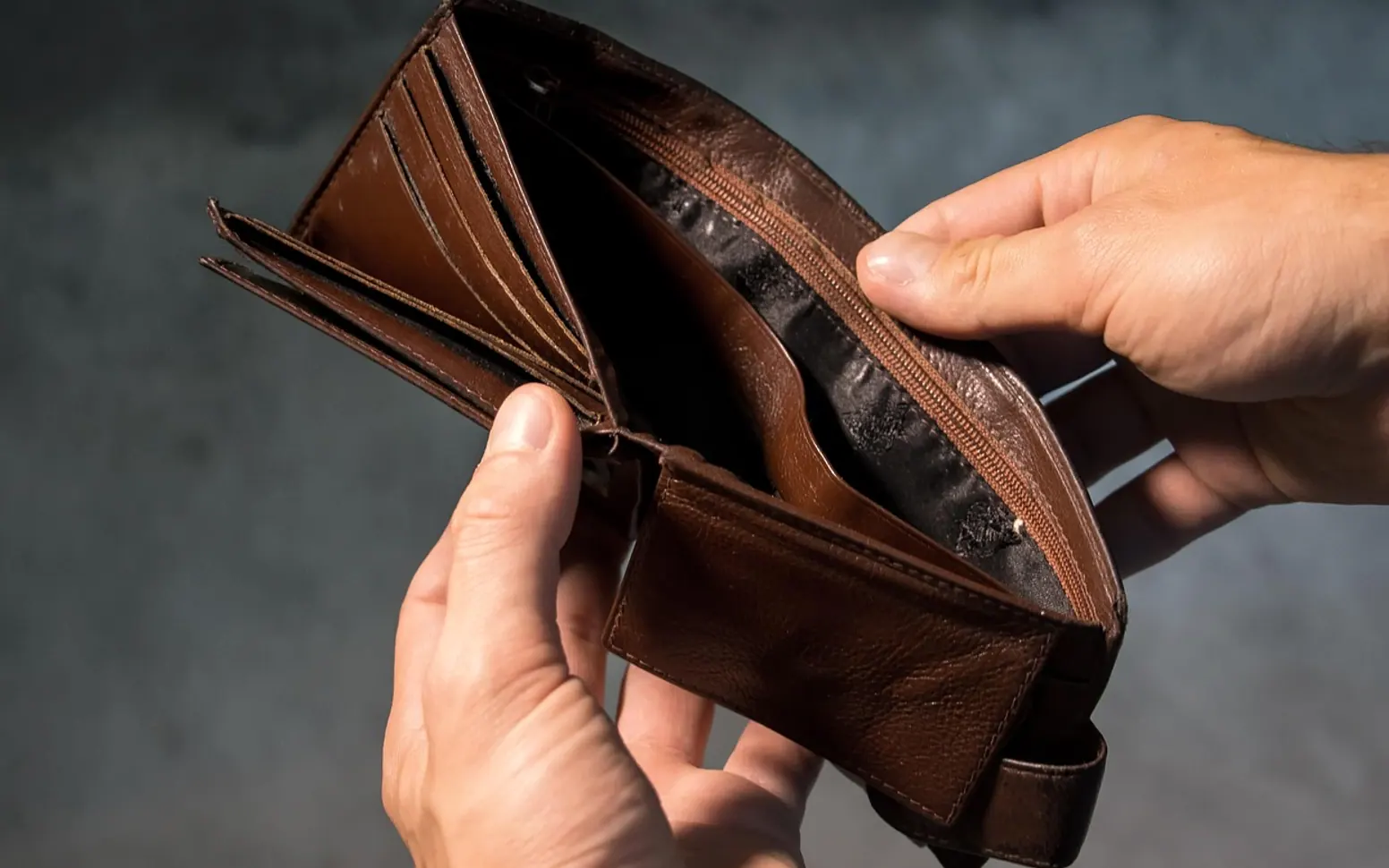
Almost everyone who has played a slot or placed a bet knows the feeling. The session has gone badly, the balance is lower than planned, and a voice says that one more deposit, or one bigger stake, would put things right. That impulse has a name: chasing losses. It is one of the most common ways a pleasant pastime turns into an expensive one, and it is worth understanding before it ever shows up.
What chasing looks like
Chasing is any decision to keep playing, or to play bigger, mainly in order to recover money that has already gone. It can be dramatic, but more often it is quiet and gradual:
- raising the stake after a run of losing spins "to get back to even";
- topping up an account that was meant to stay empty for the rest of the week;
- switching to a riskier bet type because it pays more if it lands;
- extending a session well past the time you had in mind;
- coming back the next day with the goal of recovering yesterday's money.
The common thread is that the reason for playing has changed. It is no longer about entertainment. It has become a repair job.
Why the urge is so strong
Losses feel heavier than wins
Most people feel the sting of losing a sum more sharply than the pleasure of winning the same sum. That imbalance makes a loss feel like an open wound that needs closing, even when the money was set aside for fun in the first place.
The "due" feeling
After a long losing streak it is natural to feel that a win must be close. Slot outcomes and sports results do not work that way. Each spin is drawn independently, and a bookmaker's prices do not soften because a customer is behind.
Near misses and small returns
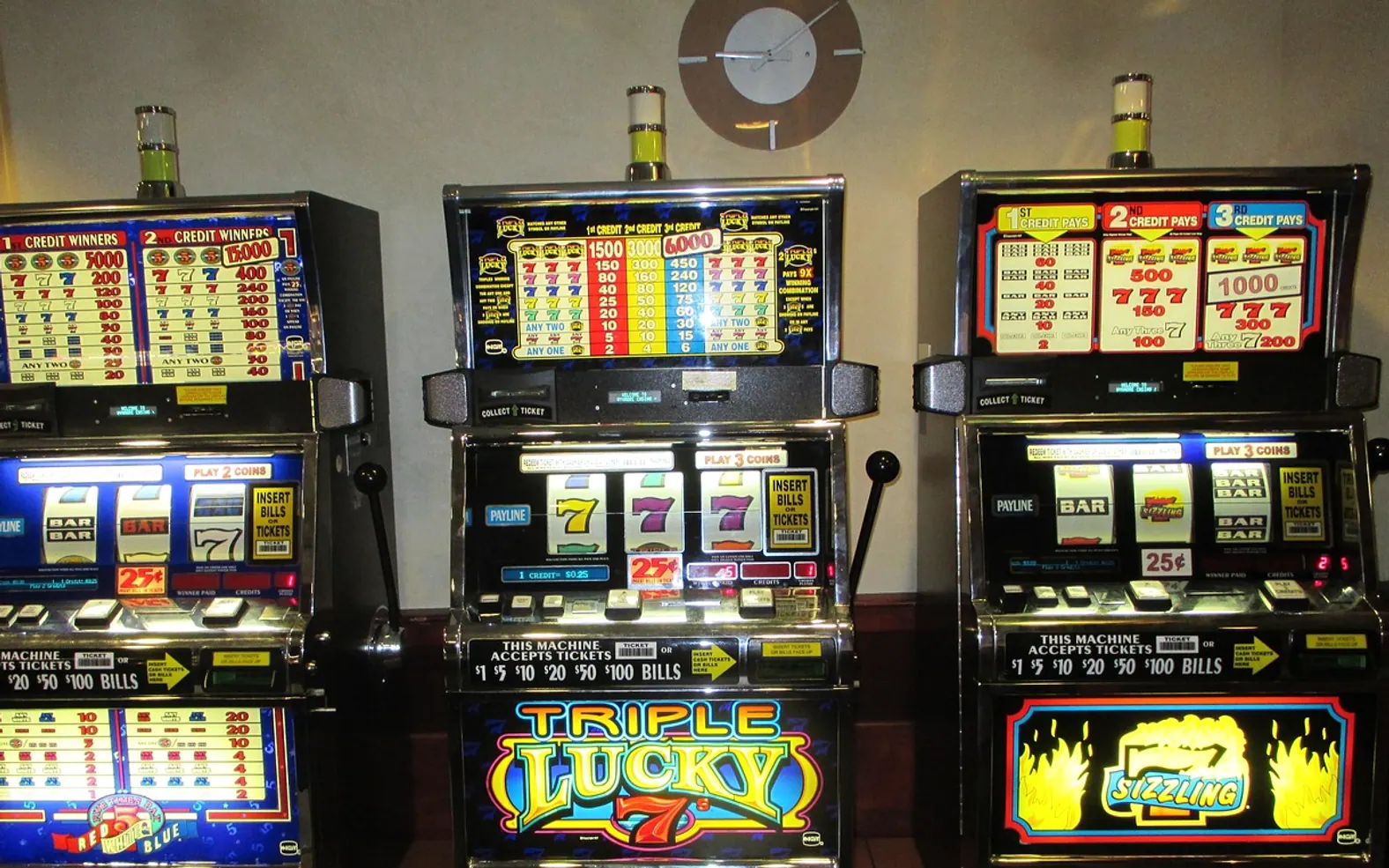
Slots often show symbols that land just above or below a winning line, and they pay many small amounts that are less than the stake. Both make a session feel closer to turning around than it really is.
Why chasing tends to make things worse
The arithmetic is not on the chaser's side. Every game carries a built-in edge for the operator, which means that over time, the more you stake, the more you can expect to lose in total. Raising stakes to recover a loss increases the amount exposed to that edge at the very moment your judgement is under the most pressure.
| What the chaser hopes | What usually happens |
|---|---|
| A bigger stake recovers the loss faster | A bigger stake also loses faster |
| A riskier bet pays enough to reset | Riskier bets land less often |
| Playing longer gives luck time to turn | Longer play gives the house edge more time to work |
| Tomorrow will balance today | Each session starts fresh; nothing is owed |
None of this means a chaser never gets lucky. Sometimes a big stake does land. The problem is that the occasional rescue teaches the wrong lesson and makes the next chase feel more reasonable.
Practical ways to stop chasing early
- Count the budget as spent the moment you deposit it. If it is already gone in your head, there is nothing to win back.
- Set a firm limit before you begin. A loss limit decided in a calm moment is much easier to respect than a decision made after a bad run.
- Keep stakes flat. Decide on a stake size for the session and leave it alone, whatever the reels do.
- Use the tools on offer. Licensed platforms usually provide deposit limits, session reminders and time-outs. Turn them on early, while the session still feels easy.
- Take a real break. Close the app, leave the room, eat something. The urge to chase fades surprisingly quickly once you stop looking at the balance.
- Keep gambling money separate. Our budgeting guide shows how a separate entertainment pot keeps small bets from drifting into bills money.
When chasing becomes a pattern
An occasional chase after a frustrating evening is common. A habit of chasing is a warning sign. If you notice that you regularly bet to recover losses, hide how much you spend, borrow to keep playing or feel restless when you cannot play, it is a good moment to pause completely and talk to someone you trust. Support services for gambling problems exist in many countries, and contacting one early is far easier than waiting until things feel out of control.
Gambling should only ever be a paid-for pastime for adults aged 18 and over, played where it is legal and with money you can afford to lose. When a session stops being fun, the best move is almost always the simplest one: stop for today.
Across the sections
Editor’s picks


Tell us what you think.
Corrections are always welcome.
Browse the subjects
Earlier entryWhat Is Hit Frequency in Slots? Later entryWhat Is a Loss Limit in Gambling?
 Gambling With a Credit Card: The Costs Behind the Convenience · 4 min
  Gambling and a Joint Bank Account: Keeping Shared Money Separate · 4 min
  What Is a Loss Limit in Gambling? · 3 min