The Gamble Feature in Slots: Double or Nothing After a Win
Entered 4 min read
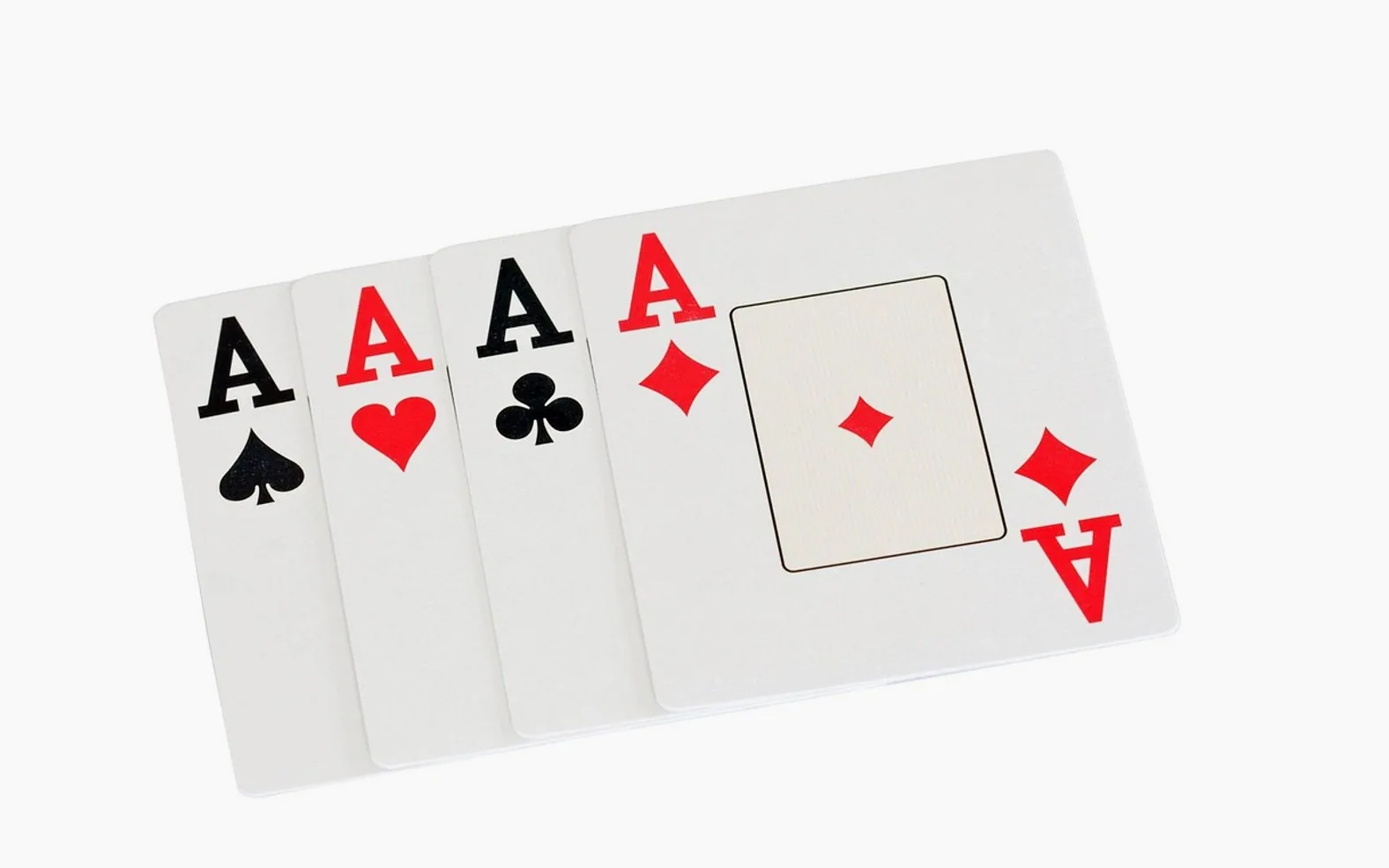
The gamble feature is an optional side game that appears after a winning spin on some slots. Instead of collecting the win, you can stake it on a quick guess, most often the colour or suit of a face-down card. Guess right and the win is multiplied; guess wrong and it is gone. It is double or nothing in its purest form, and understanding how it works makes it much easier to decide when to press collect.
The usual versions
| Version | What you guess | Usual result if right |
|---|---|---|
| Card colour | Red or black | Win doubled |
| Card suit | Hearts, diamonds, clubs or spades | Win multiplied by four |
| Ladder | When to stop a light moving up and down a ladder of prizes | Win moves up or down a step |
| Coin or wheel | Heads or tails, or a section of a small wheel | Win doubled or multiplied |
Many games also let you gamble only half the win and bank the other half, which softens the swing a little. Most cap the feature, either by limiting the number of rounds in a row or by setting a maximum amount that can be put at risk.
How the maths usually works
A colour guess with two equal outcomes that doubles the stake is, on its own terms, a fair bet: half the time you double, half the time you lose. Some help screens state this directly, and some describe the return of the gamble feature separately from the main game. Others give no figure at all. The help screen is the only reliable source for a particular title.
Even when the guess itself is fair, it does not improve your position. It simply takes a known win and turns it into a coin flip. The base game's built-in cost, described in the guide to return to player, is already baked into the spins that produced the win in the first place.
What gambling a win does to a session
It makes results swing harder
Without the feature, a session is a steady series of spins with small and occasional larger returns. With it, those returns become all-or-nothing events. Sessions end sooner, either with a sudden lift or with a balance that drops faster than expected. In the language of slots, it adds volatility without adding value.
It turns small wins into losses
Many slot wins are smaller than the stake that produced them. Gambling one of those and losing turns a partial return into nothing. Our explainer on hit frequency shows how often a game pays something, and how often that something is less than the bet.
It invites a run of guesses
One correct guess makes the next one tempting, and the prize grows each time. Stopping feels harder the higher it climbs, and the round always ends either with a deliberate collect or a lost guess. Setting a rule before the session, such as never gambling more than once in a row, removes that decision from the heat of the moment.
When it makes sense to skip it
- The win is smaller than the stake. Collecting keeps whatever was returned; gambling it risks finishing the spin with nothing.
- You are near your session limit. If a bad guess would end the session early, the decision is already made for you.
- You notice yourself guessing faster. Quick, repeated guesses are a sign the feature has become the main game.
- The help screen gives no return figure. Without it, there is no way of knowing whether the guess is even fair.
Common misunderstandings
- Tracking previous cards. Each card is drawn independently. Three reds in a row tell you nothing about the next one.
- Treating it as a strategy. Doubling some wins and banking others rearranges results; it does not change the cost of play over time.
- Confusing it with features that trigger themselves. Free spins and win multipliers are part of the game's design. The gamble option is a separate choice the player makes, and it can always be declined.
Practical settings
Some games let you switch the gamble button off in the settings, or hide it during autoplay. If the option keeps tempting you, turning it off is the simplest fix. Where the feature cannot be hidden, collecting immediately becomes a habit quite quickly.
Common questions
Is the gamble feature rigged?
In regulated games it should behave exactly as the help screen describes. The issue is not fairness but what it does to the size and speed of swings.
Why do some online versions not have it?
Game makers decide which features to include, and some markets restrict features that speed up play or raise risk. Its absence in one version of a game is normal.
Can the gamble feature recover a losing session?
It can produce a lucky double now and then, but relying on it to recover losses is a form of chasing, and our note on why chasing losses backfires explains where that leads.
Slots, gamble button and all, are meant for adults playing with spare money, and it is sensible to make sure online play is permitted in your area before spinning at all.
Across the sections
Editor’s picks



Tell us what you think.
Corrections are always welcome.
Browse the subjects
Earlier entryWhat Is a Correct Score Bet? Later entryMax Bet on Slots: Does Betting the Maximum Change Anything?
 What Is Hit Frequency in Slots? · 4 min
  Multiplier Slots: How Win Multipliers Work · 4 min